Pest/disease controlPush-Pull in practice

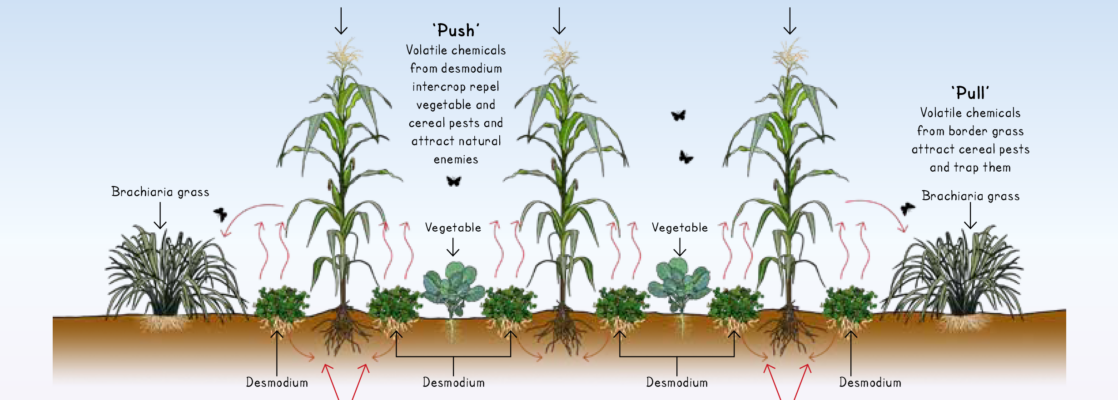
Plant volatiles are the secondary metabolites that plants release into the air. Almost one-fifth of the atmospheric CO2 fixed by land plants is released back into the air each day as volatiles. They are protection against biotic and abiotic stresses… Continue Reading…

Farming practicePest/disease controlPush-Pull in practice

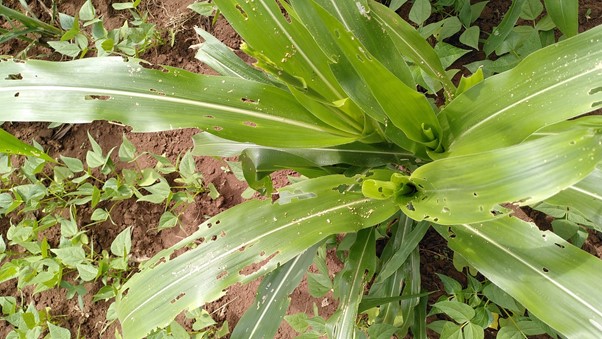
In 2016, Africa was invaded by a new threat to crop production called fall armyworm. It is a highly destructive moth that inflicts damage to a variety of crops and is most devastating to cereals such as maize and sorghum…. Continue Reading…
Farming practiceMultiactor communitites of practicePest/disease controlPush-Pull in practice

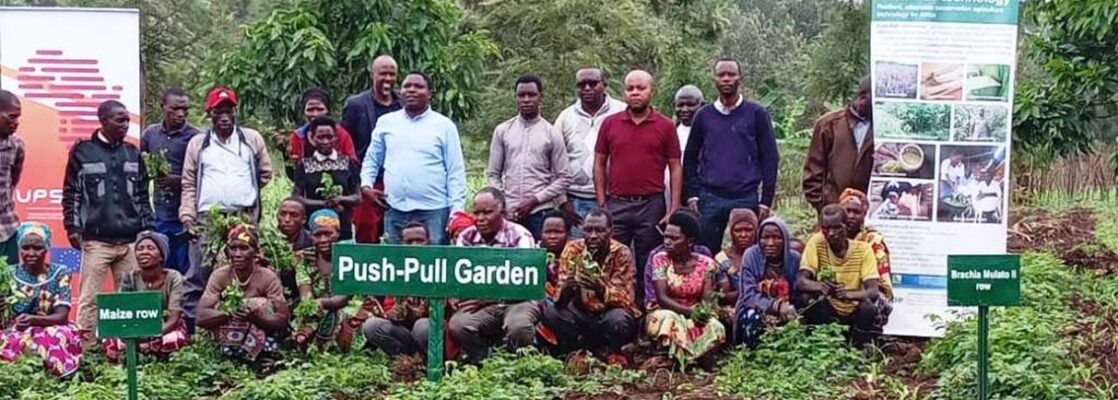
Farmers in Gatsibo District, Nyagihanga sector, are embracing the numerous benefits of Push-Pull farming, an environmentally friendly approach that eliminates the need for chemical pesticides. Push-Pull technology not only offers significant environmental advantages but also brings substantial socio-economic benefits to… Continue Reading…

Farming practicePest/disease control

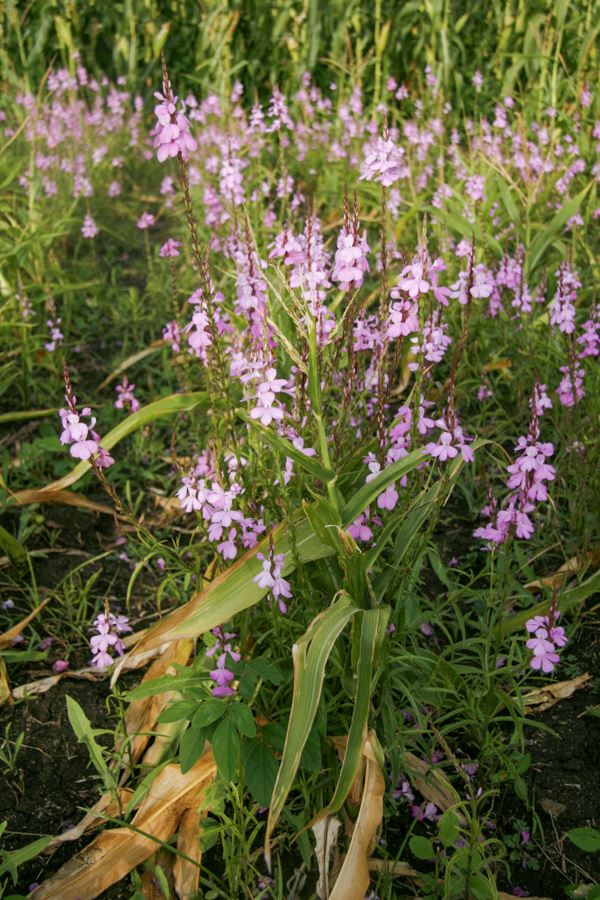
Striga or 'witchweeds' are parasitic weeds that affect cereal crops in many parts of Africa, reducing production from 30 to 100%, or complete loss of the crop. If maize plants are attacked by both stemborers and striga weed, the yield... Continue Reading…

Pest/disease controlPush-Pull in practice

Stemborers and striga weeds cause major losses to maize production throughout Africa. Maize yield losses due to stemborers can vary from 20-40%. Striga weeds infest 40% of the arable land in sub-Saharan Africa, causing an annual crop loss of US$... Continue Reading…

Pest/disease controlPush-Pull in practice

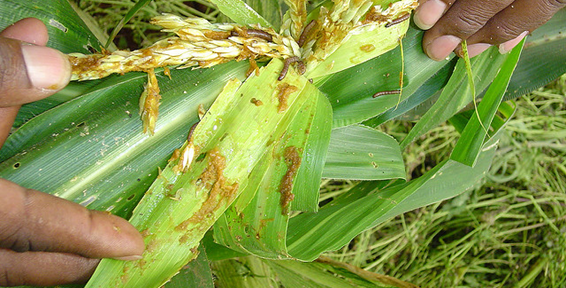
Stemborers are one of the most destructive pests of cereal crops and can greatly reduce yields of maize and sorghum on smallholder farms. These pests can cause yield losses of 30 to 100% if they are not controlled. Control of... Continue Reading…

Featured posts

featured

Striga weeds

Striga or 'witchweeds' are parasitic weeds that affect cereal crops in many parts of Africa, reducing production from 30 to 100%, or complete loss of the crop. If maize plants are attacked by both stemborers and striga weed, the yield... Continue Reading…

Twitter

🎓 20 PhD scholarships are now open for up to 4 years, starting April/May 2026.
👩 Female candidates are especially encouraged to apply, with additional support available for special needs.
More information here: http://www.cfwt.sua.ac.tz/reforest/

🎄Happy Holidays from the UPSCALE project!

We’d like to thank our partners, farmers, researchers and communities for their dedication to building more resilient, sustainable and inclusive food systems.

✨ We look forward to continuing our journey together in the new year!

Load More