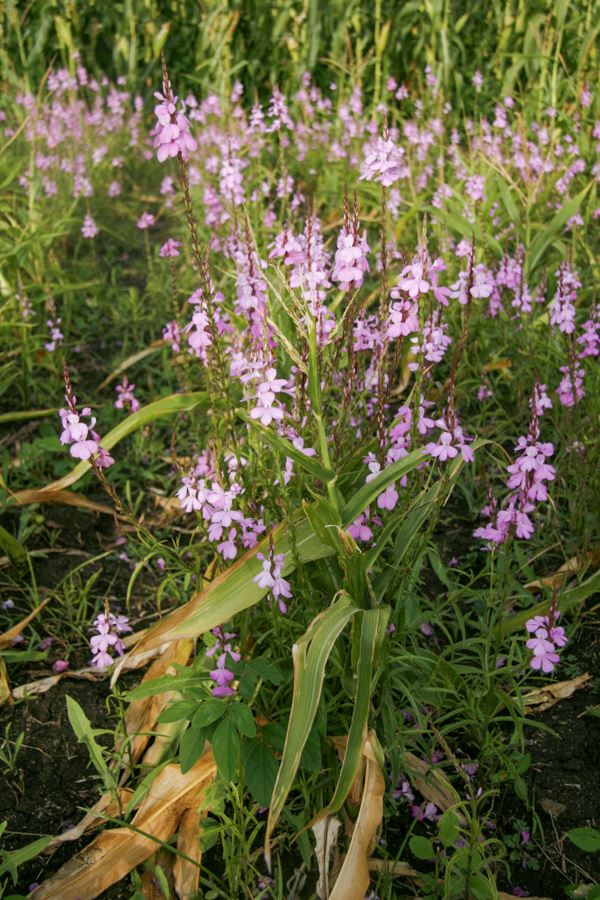
The impacts of climate change on resource-poor farmers are especially severe and include increased challenges with food security and food safety. This report explores how linking the frameworks of nature-based solutions, integrated pest management (IPM), and One Health can facilitate the design of climate-resilient plant health systems, with particular benefits for reduced pesticide use and exposure. Climate-smart approaches to IPM are proposed as a means to reduce emerging risks from pest insects, nematodes, weeds, and diseases under climate change. We elaborate the main climate change threats – and adaptation options – for five key nature-based solutions central to IPM: host plant resistance and tolerance, habitat manipulation, biological control, semiochemical control, and the use of biopesticides. We conclude by laying out a road map for ‘climate-smart IPM’, which outlines the types of support required for practical implementation, such as climate-informed advisory services, information and communication technology, and policy. While emphasis throughout is placed on smallholder production systems – particularly for sub-Saharan Africa – the principles of climate-smart IPM can be considered relevant to crop production generally.
Year: 2021, Uppsala
Publisher: SLU Global
Disclaimer This report was prepared in collaboration between SLU, IITA CGIAR, and NIBIO on behalf of SLU Global, and as a contribution towards the United Nations ‘International Year of Plant Health’ (IYPH) 2020.
Language: English
Available downloads
Harnessing nature-based solutions for smallholder plant health in a changing climate