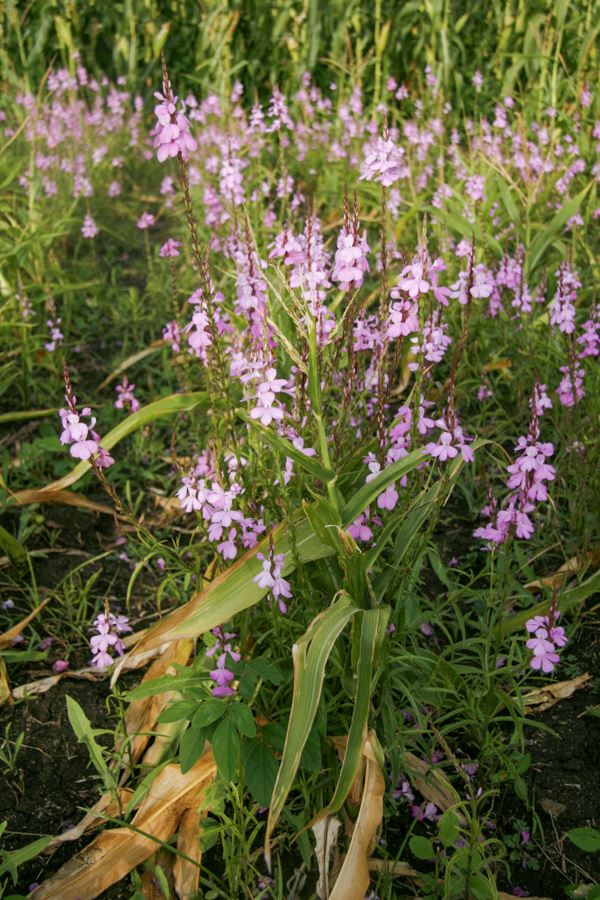
Crop diversification is associated with ecosystem services that can improve yield. We integrated tomatoes and kales within the cereal push-pull technology (PPT), to form the vegetable integrated push-pull (VIPP), and explored the influence of these cropping systems on pest and disease management, and subsequent yield of the vegetables. Aphids and diamondback moths (DBM), the major pests in kale production, together with grasshoppers were consistently lower in the VIPP plots. Low incidences and damage by leafminers, whiteflies and fruitflies on tomatoes were observed in VIPP plots compared to plots of tomato intercropped with maize (control). The severity of black rot and leaf curl on kales and leaf spots on tomatoes were less in VIPP compared to control. We recorded good quality and high yield of tomato and kale grown in VIPP plots rather than control plots. We demonstrate that spatial crop diversification such as integrating vegetables such as kale and tomato in a push-pull system can boost yield and maintain crop integrity.
Authors: Frank Chidawanyika, Evanson R. Omuse, Lavender O. Agutu, Jimmy O. Pittchar, Dickens Nyagol and Zeyaur R. Khan
Contact address: fchidawanyika@icipe.org
Institution: International Centre of Insect Physiology and Ecology (icipe), Nairobi, Kenya
Twitter name of the institution: @icipe
Twitter link: https://x.com/icipe
Available downloads: